
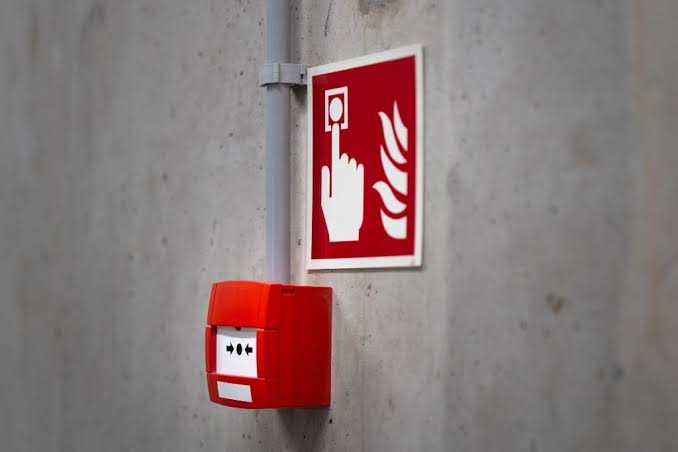
Fire safety is an essential part of protecting people, property, and businesses. However, many people still believe common fire safety myths that can create a false sense of security. Some assume that a small fire is always easy to control, while others believe that installing a fire alarm is enough to make a building safe.
These misconceptions can lead to poor preparation, delayed evacuation, and preventable property damage. In Pakistan, where homes, offices, shopping centres, factories, schools, and apartment buildings may face different fire risks, understanding the facts is particularly important.
Before accepting fire safety advice, buying equipment, or deciding how to respond to an emergency, it is important to check whether the information comes from a reliable source. A suitable Fire alarm system in Pakistan can support early warning, but it must be selected according to the building’s requirements and maintained correctly.
This article explains common fire safety myths, what to check before believing them, and how households and businesses can make better safety decisions.
Why Fire Safety Myths Are Dangerous
A fire safety myth is an incorrect or misleading belief about preventing fires, detecting danger, using equipment, or escaping an emergency. These beliefs often spread because people rely on personal experience, outdated information, or advice from someone without suitable safety knowledge.
For example, a person who has never experienced a serious fire may assume that a fire can always be extinguished with water. However, water can make some fires, including certain electrical and flammable-liquid fires, more dangerous.
Similarly, some building owners believe that fire extinguishers and alarms are unnecessary if employees are careful. In reality, fires can start because of electrical faults, equipment failures, cooking incidents, or other unexpected circumstances.
The best approach is to check fire safety information against reliable guidance, assess the risks in your building, and consult qualified professionals when necessary.
1. Myth: A Small Fire Is Always Easy to Control
One of the most common misconceptions is that a small flame does not present a serious threat. People may believe they have enough time to find an extinguisher, move nearby belongings, or investigate the source of the fire.
The reality is that a fire can grow quickly. Smoke may spread through rooms and corridors, reducing visibility and making breathing difficult. A situation that initially appears manageable can become dangerous before people understand what is happening.
What should you check?
First, consider the location and circumstances of the fire. A flame near cooking equipment, electrical wiring, fuel, chemicals, or stored materials may present risks that are not immediately visible.
Second, make sure everyone knows the evacuation procedure. If a fire is spreading, smoke is present, or there is any doubt about safety, leave the area and contact the appropriate emergency service.
Fire extinguishers should only be used by people who have suitable training, when the fire is small and contained, the extinguisher is appropriate, and a safe escape route remains available. Evacuation should never be delayed to protect property.
2. Myth: Every Fire Can Be Extinguished With Water
Water is useful for certain types of fires, but it is not suitable for every situation. Treating water as a universal firefighting solution can create serious risks.
For example, water must not be used on energised electrical equipment because of the risk of electric shock. It can also spread burning cooking oil and may react dangerously with certain combustible metals or chemicals.
What should you check?
Before purchasing firefighting equipment, identify the likely fire hazards in your property.
- Ordinary combustible materials: Paper, wood, and many fabrics require suitable equipment designed for these materials.
- Electrical equipment: Use equipment specifically rated for the relevant electrical fire risk.
- Cooking oils and fats: Commercial kitchens may need specialised wet-chemical protection.
- Flammable liquids: Fuel, solvents, and similar materials require an appropriate extinguisher type.
The correct equipment depends on the fire classification, local requirements, and the risks present. Read the manufacturer’s instructions and obtain advice from a qualified fire safety professional.
Never experiment with water or other substances to determine whether they are suitable for a fire.
3. Myth: Smoke Alarms Are Only Necessary in Large Buildings
Some people assume that smoke alarms are needed only in commercial buildings, factories, hotels, or large apartment complexes. This belief can leave smaller homes and residential properties without an important early-warning measure.
Fires can start in kitchens, bedrooms, living rooms, electrical distribution areas, and storage spaces. A home does not need to be large to face a fire hazard.
Smoke alarms can alert occupants when smoke is detected, helping them respond sooner. Their effectiveness depends on appropriate placement, suitable equipment, reliable power, and regular maintenance.
What should you check?
Consider the size and layout of your property, the number of floors, sleeping areas, and the manufacturer’s placement recommendations. Check whether alarms are installed in appropriate locations and whether their batteries or power supplies are working.
Test alarms according to the manufacturer’s instructions and replace faulty or expired units as recommended.
For larger properties and commercial premises, a professionally designed fire detection and alarm system may be required. A suitable Fire alarm system in Pakistan should be selected according to the building’s occupancy, layout, fire risks, and applicable local requirements.
Remember that an alarm is an early-warning measure, not a guarantee that a fire will be prevented.
4. Myth: Installing a Fire Alarm Makes a Building Completely Safe
A fire alarm is an important part of a fire protection strategy, but it cannot address every fire hazard. Some people believe that once an alarm system is installed, no additional precautions are necessary.
This is incorrect. An alarm can warn occupants, but it does not automatically remove electrical hazards, keep escape routes clear, or ensure that people know where to go during an emergency.
In Pakistan, Punjab Civil Defence identifies fire detection and alarm systems alongside firefighting arrangements, fire safety plans, emergency control facilities, and evacuation arrangements among the measures considered during fire safety inspections. Requirements for individual buildings depend on the applicable rules and authorities. (Source: Punjab Civil Defence.)
What should you check?
When evaluating a fire alarm installation, consider the following:
- Whether the system is suitable for the building’s size, use, and risk profile.
- Whether detectors and manual alarm points are installed in appropriate locations.
- Whether occupants can hear or otherwise receive the alarm throughout relevant areas.
- Whether backup power is provided where required.
- Whether the system is tested and maintained according to its design and manufacturer guidance.
- Whether staff understand what to do when the alarm activates.
A complete fire safety plan should also cover evacuation routes, emergency exits, suitable firefighting equipment, communication procedures, and training.
5. Myth: Fire Extinguishers Never Need Maintenance
Buying an extinguisher and leaving it in the same place for years does not guarantee that it will work during an emergency. Equipment may become damaged, lose pressure, develop faults, or become inaccessible.
An extinguisher can also be unsuitable for the hazards in the area where it is installed.
What should you check?
Inspect the extinguisher according to its manufacturer’s instructions and applicable requirements. Check its accessibility, visible condition, pressure indicator where fitted, inspection records, and service information.
Make sure the instructions and identification labels are readable. Equipment should be placed where it can be reached safely and should not be hidden behind furniture, stock, or locked doors.
Arrange professional servicing at the intervals required for the equipment and local rules. Replace or repair damaged units through an appropriate service provider.
Employees should also know the limits of extinguisher use. Equipment is not a substitute for evacuation, and no one should attempt to fight a fire when doing so would create a risk to life.
6. Myth: Electrical Fires Are Rare and Nothing to Worry About
Electrical hazards can be overlooked because wiring and electrical equipment are often hidden from view. People may assume that an installation is safe simply because the lights and appliances appear to work normally.
However, damaged cables, overloaded circuits, faulty connections, poorly maintained equipment, and inappropriate electrical modifications can increase fire risk.
Generators, uninterruptible power supplies, extension leads, and other electrical equipment also deserve attention in buildings that depend on backup power.
What should you check?
Look for warning signs such as damaged insulation, loose connections, unusual heat, burning smells, repeated circuit-breaker trips, or visible sparking. Do not touch or investigate potentially dangerous electrical equipment yourself.
Arrange inspection and repair by a qualified electrician. Avoid overloading sockets and using damaged cables, and ensure that electrical installations are appropriate for the equipment they supply.
If electrical equipment catches fire, do not use water on it while it may remain energised. Raise the alarm, evacuate if necessary, and contact emergency services.
7. Myth: Emergency Exits Can Be Locked to Improve Security
Some property owners and managers believe that locking emergency doors is an acceptable way to prevent theft or control access. Others use exit corridors for storage because they appear to have enough space.
Both practices can create dangerous obstacles during an evacuation.
An emergency exit must be usable in accordance with the applicable fire and building safety requirements. Obstructed routes, locked doors, poor signage, and inadequate lighting can prevent people from leaving quickly.
What should you check?
Walk through the building and inspect the full escape route, from occupied rooms to a safe exit. Confirm that corridors and stairways are clear, signs are visible, and emergency lighting is maintained where required.
Check that exit doors can be opened as required during occupancy and that security arrangements do not prevent safe evacuation. The exact door hardware and access arrangements should comply with the relevant rules and building design.
Businesses should assign responsibility for routine checks and record any issues that need correction.
8. Myth: Fire Safety Training Is Only for Firefighters
Firefighters and specialist responders receive professional training, but ordinary occupants also need basic knowledge of fire prevention and emergency procedures.
Workers may not know how to raise an alarm, where to assemble outside, or how to assist visitors during an evacuation. New employees may also be unfamiliar with the building’s layout.
What should you check?
Ensure that employees, residents, and other relevant occupants understand:
- How to raise the alarm and report a fire.
- Which evacuation routes and exits they should use.
- Where to assemble outside the building.
- How to follow instructions from designated safety personnel.
- Why lifts should generally not be used during a fire unless specifically designed and authorised for that purpose.
- When to leave immediately rather than attempting to extinguish a fire.
Conduct suitable evacuation drills and review the results. Training should reflect the building’s use and consider people who may need additional assistance.
For factories, offices, schools, hospitals, and other workplaces, responsibilities should be clearly assigned so that people do not assume someone else will manage the emergency.
9. Myth: False Alarms Can Always Be Ignored
Repeated unwanted alarms can frustrate occupants. As a result, people may begin assuming that every alarm is a false alarm.
This attitude can be dangerous because the next activation may indicate a genuine emergency.
False alarms can have several causes, including inappropriate detector placement, maintenance problems, steam, cooking-related particles, or activities that interfere with detection equipment. The correct response is to investigate the underlying issue through authorised personnel, not to disregard alarms.
What should you check?
Ensure that occupants know the site’s alarm-response procedure. Every activation should be treated seriously until the situation has been assessed through the established process.
Have qualified personnel investigate recurring activations, maintain equipment correctly, and document the cause and corrective action. Any planned isolation of a system during maintenance should follow approved procedures and include appropriate temporary safety arrangements where required.
Never disable an alarm simply because it is inconvenient.
10. Myth: Fire Safety Equipment Is Too Expensive to Be Worth Buying
Some property owners delay investing in fire safety because they focus only on the immediate cost of equipment and maintenance.
However, a fire can result in injuries, damage to buildings and stock, business interruption, loss of important records, and expensive repairs. The consequences can extend well beyond the price of preventive measures.
What should you check before purchasing?
Do not choose equipment based on price alone. Consider its suitability, certification or conformity documentation where applicable, installation requirements, maintenance costs, warranty, and availability of professional servicing.
When comparing a Fire alarm system in Pakistan, consider the type of detection required, the building’s layout, the system’s compatibility with other safety arrangements, and the support offered by the supplier.
Ask for a clear quotation that distinguishes equipment, installation, testing, training, and ongoing maintenance. Verify the supplier’s experience and check that the proposed solution meets the requirements applicable to your premises.
The most expensive option is not automatically the best, and the cheapest option may not provide suitable protection. A qualified assessment can help identify the right balance between cost, performance, and compliance.
11. Myth: Fire Safety Rules Are the Same for Every Building in Pakistan
Homes, offices, factories, warehouses, shopping centres, and healthcare facilities have different layouts and hazards. A single checklist or equipment package may not be suitable for every property.
Applicable requirements can also vary by location, occupancy, building characteristics, and the authority responsible for approval or inspection.
What should you check?
Start by identifying the building’s use, approximate occupancy, number of floors, fire hazards, and available escape routes. Then confirm the applicable requirements with the relevant building control authority, Civil Defence office, fire service, or qualified fire safety professional.
Punjab Civil Defence publishes information about inspection of fire safety measures, while other locations may have their own relevant authorities and procedures. Consult the current local requirements rather than assuming that guidance for one city or province applies everywhere.
Keep records of inspections, equipment maintenance, staff training, evacuation drills, and corrective actions. Documentation helps managers identify outstanding issues and demonstrate that safety responsibilities are being addressed.
12. How to Check Whether Fire Safety Advice Is Reliable
With information available from websites, social media, suppliers, and informal conversations, it can be difficult to distinguish reliable advice from misleading claims.
Use a few simple checks before acting on information:
Check the source. Prefer government fire safety agencies, recognised standards organisations, qualified professionals, and reputable technical documentation.
Look for evidence. Reliable advice should explain why a measure is recommended and identify the circumstances in which it applies.
Consider the building. Advice for a private home may not be appropriate for a factory, hospital, or high-rise building.
Avoid absolute promises. Claims that one product prevents every fire or guarantees complete safety should be treated cautiously.
Verify product information. Check the manufacturer’s documentation, intended application, installation instructions, servicing requirements, and relevant conformity evidence.
Ask for professional advice. If a decision involves building compliance, alarm design, electrical work, or specialised firefighting equipment, consult a suitably qualified person.
These checks help prevent wasted spending and reduce the risk of making decisions based on inaccurate information.
13. A Practical Fire Safety Checklist for Homes and Businesses
Use the following checklist as a starting point. It does not replace a formal risk assessment or any legally required inspection.
- [ ] Fire hazards have been identified and assessed.
- [ ] Smoke detection and alarm arrangements are suitable for the property.
- [ ] Alarms are tested and maintained according to instructions.
- [ ] Suitable fire extinguishers are available where required.
- [ ] Firefighting equipment is accessible and professionally maintained.
- [ ] Electrical wiring and equipment are inspected when necessary.
- [ ] Emergency exits and escape routes are clear.
- [ ] Exit signs and emergency lighting are maintained where required.
- [ ] Occupants know how to raise the alarm and evacuate.
- [ ] Evacuation drills are conducted where appropriate.
- [ ] Emergency contacts and reporting procedures are available.
- [ ] Defects and inspection findings are documented and corrected.
Assign responsibility for completing checks and following up on problems. A checklist is only useful when it leads to action.
Conclusion
Fire safety myths can create a false sense of security and encourage people to overlook important hazards. Believing that every fire can be extinguished with water, that alarms never need maintenance, or that emergency exits can remain locked may put occupants at risk.
The solution is to verify information, choose suitable equipment, maintain safety systems, keep escape routes clear, and provide appropriate training. Building owners and managers in Pakistan should also check the requirements that apply to their premises rather than relying on assumptions.
A suitable fire detection and alarm arrangement is one part of a broader safety strategy. When combined with prevention, maintenance, emergency planning, and professional advice, it can help people recognise danger and respond more effectively.
For more information about fire protection equipment and safety planning, visit Flame Defender at https://flame-defender.com/.
Frequently Asked Questions (FAQs)
1. What are the most common fire safety myths?
Common myths include believing that small fires are always easy to control, that water is suitable for every fire, that smoke alarms are unnecessary in small homes, and that installing a fire alarm eliminates every fire risk. These beliefs can lead to unsafe decisions.
2. Is a fire alarm system necessary in Pakistan?
The need for a particular fire alarm system depends on the building’s use, size, occupancy, design, and applicable local requirements. Some buildings may be required to have specific detection and alarm arrangements. Owners should confirm the rules with the relevant authority and a qualified fire safety professional.
3. How often should fire safety equipment be checked?
The frequency depends on the type of equipment, manufacturer’s instructions, applicable standards, and local requirements. Alarms, extinguishers, emergency lighting, and other equipment should be inspected, tested, and serviced according to their specific maintenance schedules. Defects should be addressed promptly.
4. Can water be used to extinguish an electrical fire?
Water should not be used on energised electrical equipment because it can create a risk of electric shock. Raise the alarm, evacuate if necessary, and contact emergency services. Only trained people should consider using suitable firefighting equipment when it is safe to do so.
5. How can I choose a reliable fire alarm system in Pakistan?
Assess your building’s needs, verify the supplier’s experience, review the proposed system’s technical documentation, and check installation, testing, backup power, maintenance, and support arrangements. Confirm that the design meets the applicable local requirements before purchasing or installing the equipment.